The True Purpose of AI Development
We live in an era dominated by artificial intelligence (AI). From waking up to smart alarms, navigating with intelligent maps, to utilizing various AI tools at work, AI has seamlessly integrated into our daily lives. It has evolved from a distant sci-fi concept to an essential part of our routines, rapidly changing the logic of how the world operates and reshaping individual life paths.
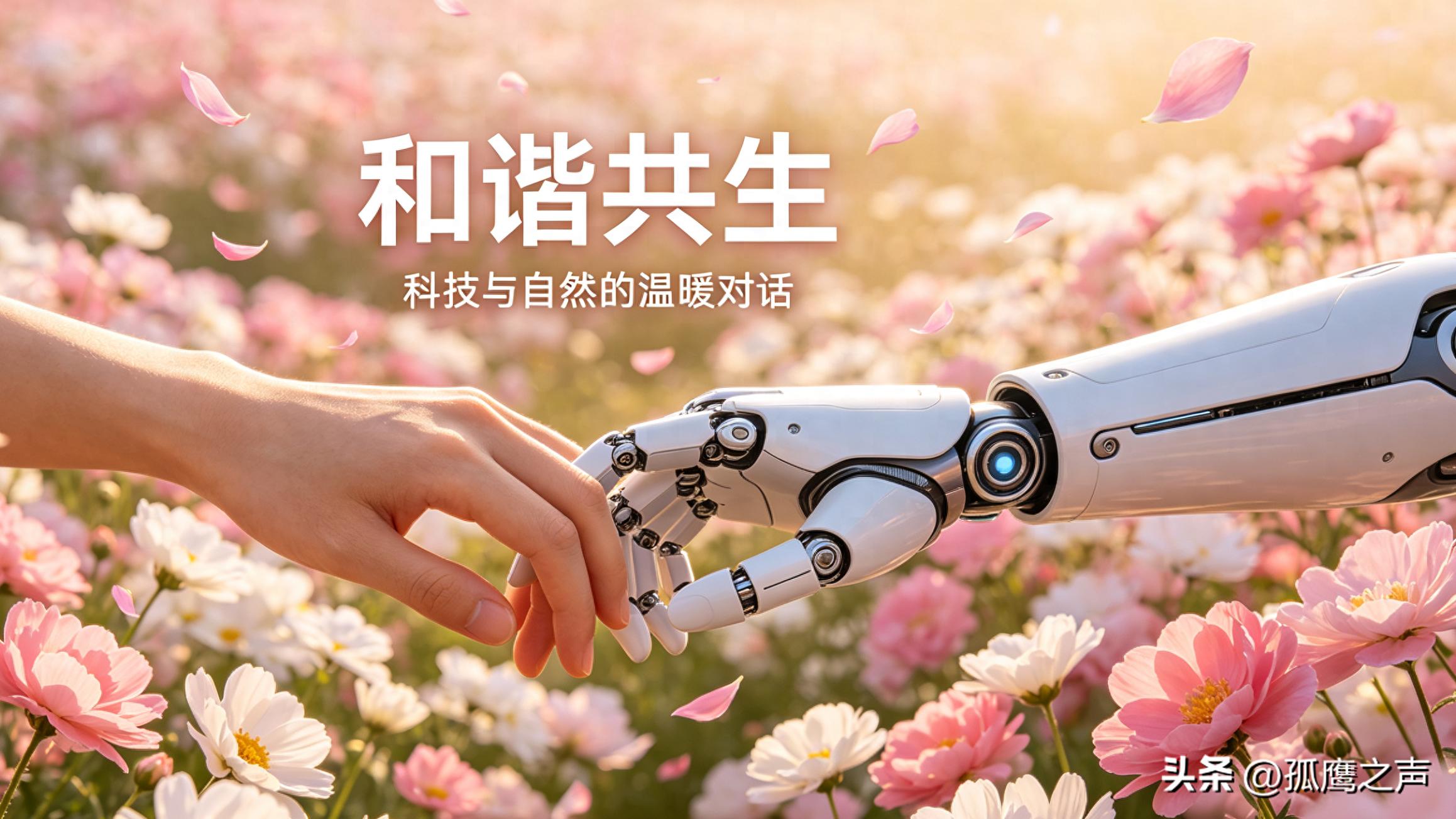
However, we often find ourselves questioning: what is the true purpose of AI development?
This question carries a pure and warm answer since the moment AI was conceived. Looking back at the origins of technological development, humanity created AI not to produce machines that replace us, but to let technology illuminate our lives. We hoped AI would take over tedious and exhausting physical and mental labor, freeing workers from mechanical operations, allowing white-collar workers to escape endless reports and documents, and helping researchers avoid massive data calculations and filtering. We aimed to liberate humanity from the fatigue of survival, enabling us to embrace life itself, pursue passions, create value, and feel warmth.
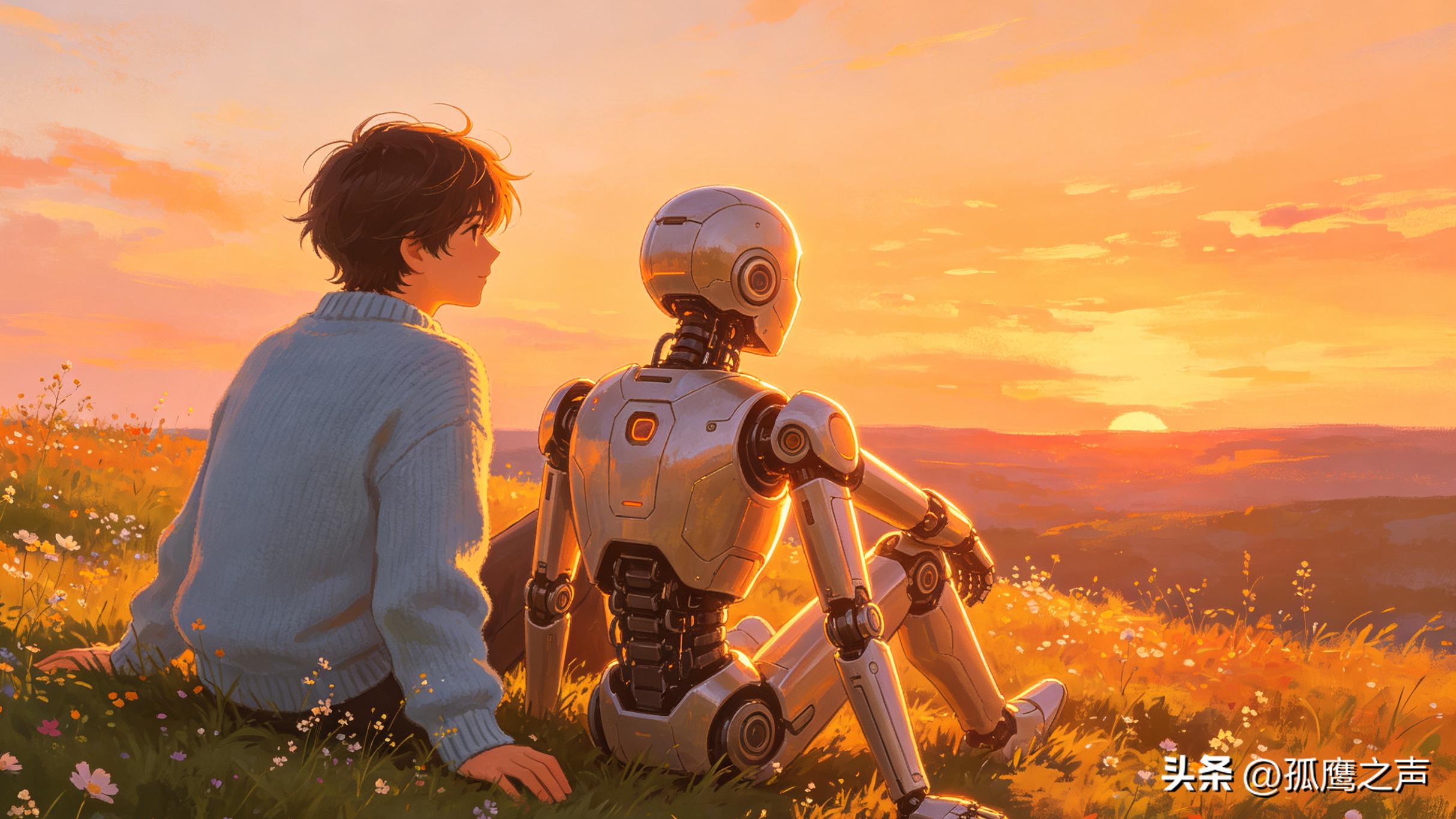
We envisioned AI bridging gaps of injustice, providing children in remote areas access to quality education like their urban counterparts; assisting the elderly and disabled with smart devices for a more dignified and convenient life; and making medical resources more accessible, with AI accurately diagnosing complex illnesses so that everyone could afford and receive quality healthcare. We dreamed of AI exploring uncharted territories, diving into the deep sea, reaching for the stars, solving climate issues, and conquering incurable diseases, driven by human curiosity and courage to expand the dimensions of life and civilization.

At that time, we held a hopeful view of artificial intelligence. We believed that the ultimate significance of technology is to serve humanity, to make life better, and to give people more time to spend with family, enjoy the seasons, and chase dreams. This was the original intention behind the birth of AI, the pure mission humanity assigned to it, and the benevolent nature technology should embody.

Yet, as we progressed, reality began to drift away from this initial vision, evolving into something we had not anticipated.
AI has not become a remedy for fatigue; instead, it has become a catalyst for anxiety. We thought AI would make work easier, but it has turned into an accelerator of competition. AI can generate content in seconds, create artwork in minutes, and process data around the clock. While efficiency has been magnified, the living space for ordinary people has been increasingly squeezed. The fear of job displacement, the fatigue of keeping up with AI’s speed, and the pressure of being left behind without continuous learning have plunged many into endless internal struggles. We initially sought to escape fatigue, but now we find ourselves chased by AI, with less time to breathe, as life becomes filled with work and happiness is replaced by anxiety.

We expected AI to benefit everyone, but in reality, it has gradually become a tool for capital and profit. Big data invades privacy without restraint, algorithms categorize people based on spending power, creating information silos that amplify anxiety and division. Businesses use AI to precisely calculate user preferences, employing manipulative marketing tactics that exploit human weaknesses for profit. Quality intelligent resources concentrate in the hands of a few, while ordinary people can only passively accept algorithmic control, with the benefits of technology failing to reach the masses and instead widening the gap between people.

We believed AI would strengthen connections among people, yet it has ultimately rendered emotions colder. AI can write love letters, generate blessings, and simulate conversations, making even the most sincere expressions easily replicable, leading to a scarcity of genuine feelings. We laugh at smart devices while overlooking the eyes of those around us; we indulge in the virtual world shaped by algorithms, forgetting to have heartfelt conversations with family. Technology may shorten virtual distances, but it distances us from real warmth, as human sincerity and emotion are gradually replaced by cold codes and algorithms.
Even more lamentable is that the development of artificial intelligence has strayed from the “human-centered” track. Some use AI to commit fraud, infringe copyrights, and erase the hard work of creators; others use AI to spread rumors and incite emotions, undermining social trust. Some relentlessly pursue AI’s intelligence and commercialization, neglecting ethics and boundaries, turning technology into a weapon that harms.
We must acknowledge that technology itself is neither good nor bad; AI is merely a tool, reflecting the inner projections of humanity.
The deviation of AI from its original intention is not a fault of the technology itself, but rather a consequence of those who control it, lost in desire and profit. When capital-driven motives replace technology’s benevolent purpose, when efficiency overshadow humanistic care, and when selfishness triumphs over original missions, even the best technology can become a tool for satisfying personal desires, and the warmest intentions can be eroded by the harsh realities of utilitarianism.
We should never deny the value of artificial intelligence; it continues to drive social progress and benefits humanity in many fields: intelligent rescue saves lives, smart agriculture ensures food security, intelligent healthcare protects health, and smart technology turns countless impossibilities into possibilities. What we truly need to reflect on is how to uphold the ethical boundaries of technology and how to bring AI back to its essence of serving humanity.
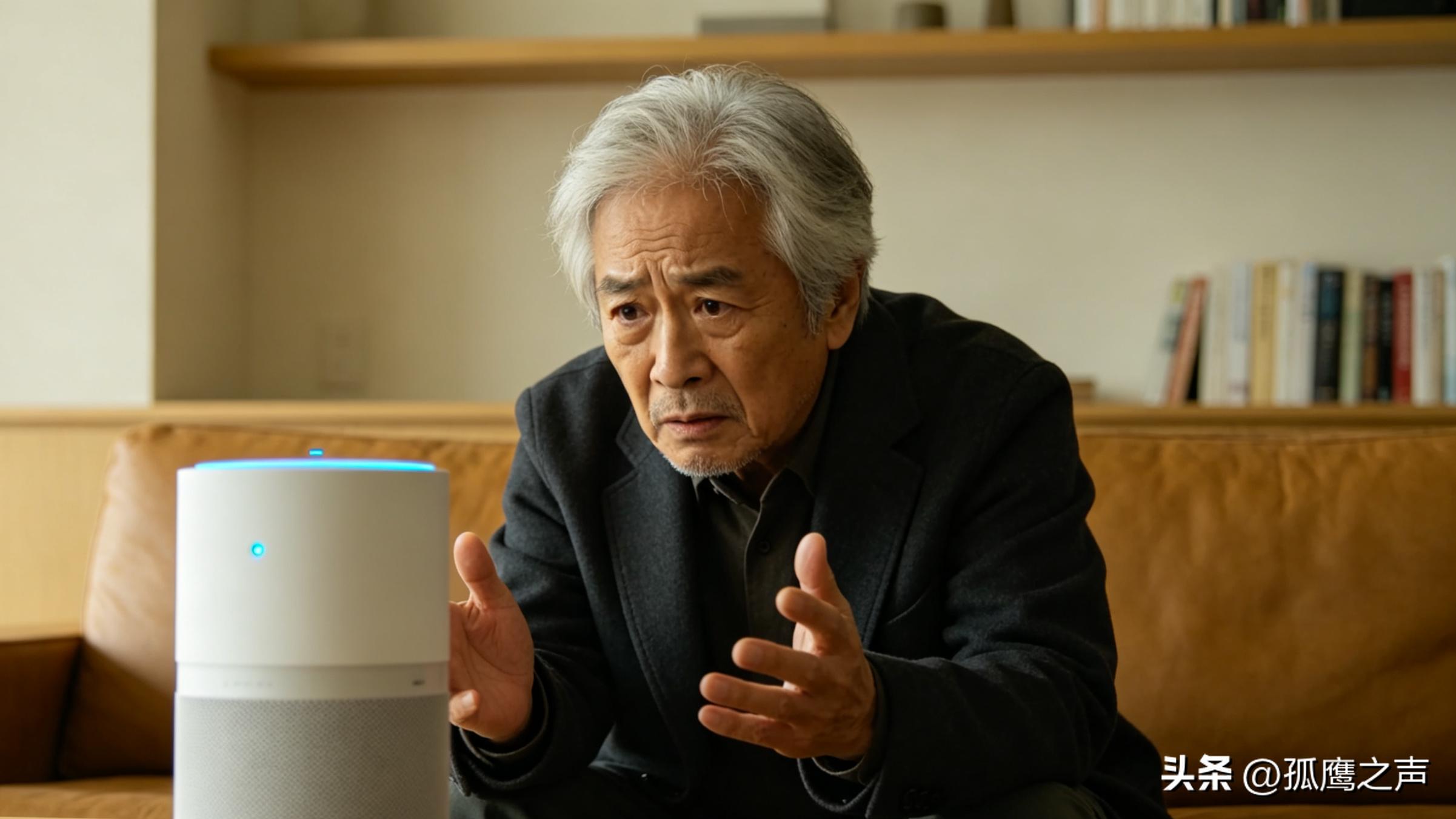
True artificial intelligence should be a partner to humanity, not an adversary; a supportive tool, not a replacement; a warm enhancement, not a cold manipulation. It should help alleviate burdens, not increase anxiety; bridge distances between hearts, not create barriers; and benefit every ordinary person, not become a weapon for profit for a select few.
The ultimate warmth of technology always lies in humanity.
May the development of artificial intelligence rediscover its original intention, shed the cloak of utilitarianism, and return to its essence of benevolence. May we control technology, rather than be enslaved by it; may AI liberate us from the trivial, allowing us to embrace the warmth and richness of life again; and may every technological advancement enable humanity to live more freely, happily, and with dignity.
After all, we create technology not to change humanity, but to better protect humanity and safeguard the most precious aspects of life and love.
Comments
Discussion is powered by Giscus (GitHub Discussions). Add
repo,repoID,category, andcategoryIDunder[params.comments.giscus]inhugo.tomlusing the values from the Giscus setup tool.